- Unaligned Newsletter
- Posts
- The New AI Infrastructure Economy
The New AI Infrastructure Economy


Robert Scoble & Irena Cronin
March 17, 2026
Thank you to our Sponsor: Morphic

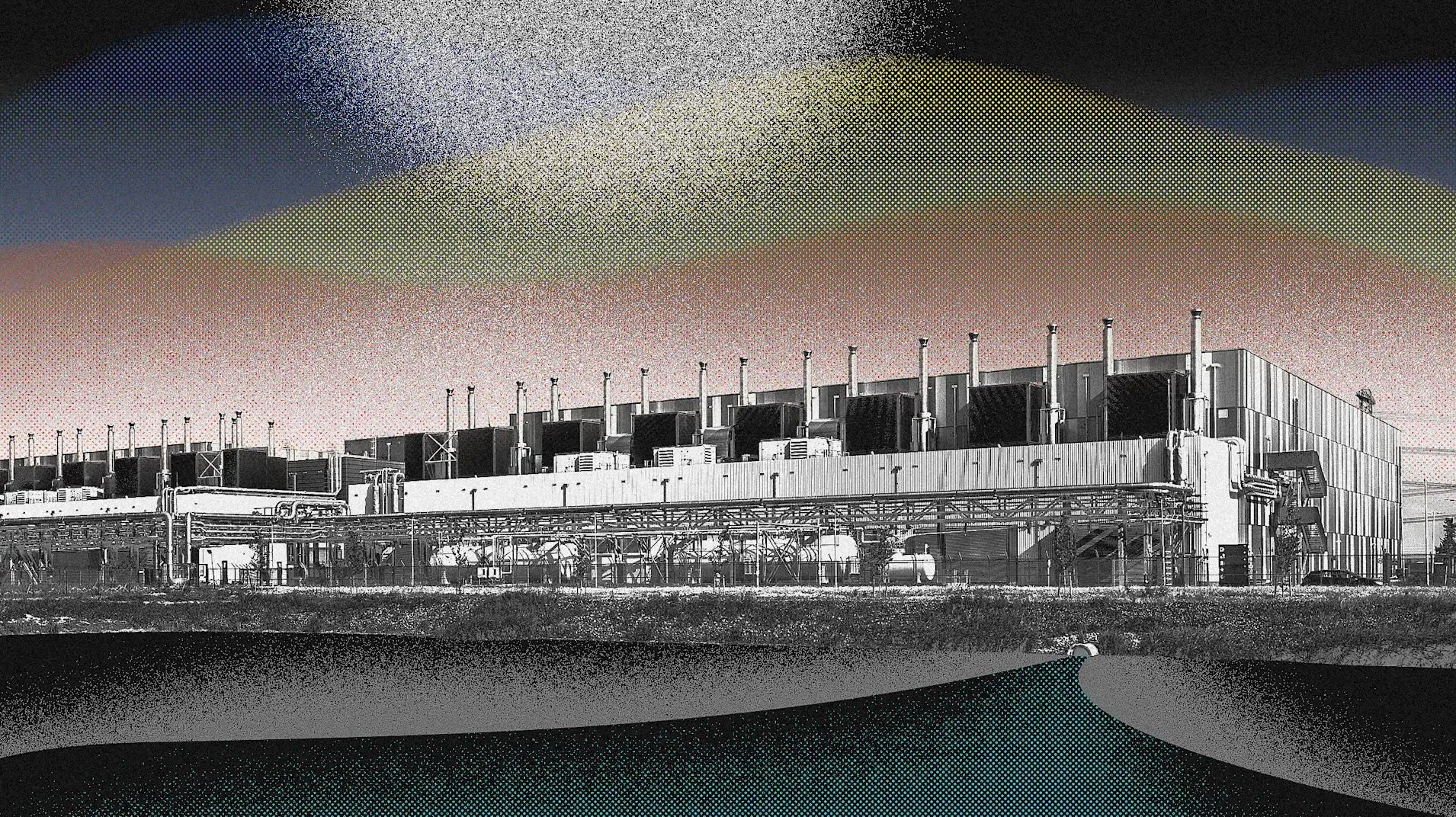
The center of gravity in AI is shifting. For much of the public, AI still looks like a consumer story made up of chatbots, image generators, video tools, and the latest model launches. But the deeper story now is infrastructure. The real contest is increasingly about who controls the chips, cloud capacity, power access, and data center footprint needed to run the next phase of AI at scale.
This is why the idea of a new AI infrastructure economy matters. AI is no longer only about who has the best model or the most popular application. It is also about who can secure enough GPUs, enough electricity, enough land, enough cooling, and enough capital to support systems that must run continuously and serve millions of users and enterprises.
The next phase of AI will be shaped as much by physical systems as by software innovation.
AI Is Becoming an Infrastructure Story
For a while, the biggest attention in AI went to the visible layer:
• Chatbots
• Image generators
• Video tools
• Coding assistants
• Consumer apps
• Enterprise copilots
But underneath all of those products sits a far larger system that is becoming the true battleground. That system includes:
• Advanced chips
• AI tuned cloud capacity
• High density data centers
• Massive power contracts
• Cooling systems
• Networking equipment
• Land development
• Construction financing
• Grid upgrades
This means AI is becoming less like a normal software cycle and more like a new industrial buildout. The winners will not be determined only by interface design or model quality. They will also be determined by who can build and control the backbone that makes AI possible at large scale.
Why Nvidia’s Nebius Move Matters
Nvidia’s reported investment in Nebius is a strong example of this shift. Nebius is not famous because of a consumer chatbot or a flashy app. It represents something else: a newer class of companies focused on AI specific compute infrastructure rather than broad consumer products.
That is important because it shows where value is concentrating. AI demand is so intense that specialized compute providers are becoming increasingly important.
This move highlights several major realities:
• AI demand is outgrowing traditional infrastructure models
• Specialized cloud providers are becoming more important
• Compute is now a strategic asset, not just a utility
• Chipmakers want influence beyond simply selling hardware
• AI capacity itself is becoming a major business category
In simple terms, Nvidia is not just betting on AI models. It is betting on the industrial systems that power them.
The Rise of the Neocloud
One of the most important developments in the AI economy is the rise of the neocloud. These are companies built specifically around AI compute, GPU access, and data center deployment rather than the older general purpose cloud model.
They matter because many customers now want:
• Faster access to high end GPUs
• AI optimized environments
• Flexible compute contracts
• Lower friction for model training and inference
• Specialized infrastructure rather than generic cloud services
Neoclouds sit between traditional hyperscalers and AI startups. They help absorb demand when large cloud providers cannot meet it quickly enough, or when customers want more focused AI capacity.
The rise of neoclouds signals a broader shift:
• AI infrastructure is becoming more specialized
• The market is opening up beyond the biggest incumbents
• Demand is strong enough to support new infrastructure players
• Capital is flowing toward compute heavy business models
• The cloud market is becoming more layered and fragmented
This is one reason the AI infrastructure economy feels different from previous tech cycles. It is not just creating new software categories. It is creating new infrastructure categories.
Hyperscalers Are Still Spending at Enormous Scale
Even with the rise of new players, the hyperscalers remain central. Companies like Alphabet, Amazon, Meta, and Microsoft are spending huge sums on AI infrastructure, from chips and data centers to networking and power deals.
That spending reflects the scale of the opportunity, but it also reflects necessity. AI workloads are becoming too central to future growth for these companies to sit back.
Their spending is aimed at several goals:
• Securing long term AI leadership
• Protecting existing cloud businesses
• Supporting internal AI products
• Attracting enterprise customers
• Preventing rivals from gaining infrastructure advantages
• Ensuring enough capacity for future demand
This is why AI is now a capital story as much as a technology story. Companies are not just launching products. They are financing an entire industrial stack.
Thank you to our Sponsor: EezyCollab


Chips Are the New Strategic Bottleneck
At the core of the infrastructure economy are chips. Without advanced AI accelerators, the rest of the system cannot function at the required scale. Chips are not just components anymore. They are leverage.
Control over chip supply now shapes:
• Training capacity
• Inference speed
• Product rollout timelines
• Enterprise adoption
• Cloud competitiveness
• Pricing power
That is why chipmakers have become so central to the AI economy. They are not simply suppliers in the background. They increasingly shape what the rest of the market can build and when it can build it.
The chip layer matters because:
• Scarcity creates pricing power
• Performance determines competitiveness
• Supply constraints shape product roadmaps
• Access to cutting edge chips can separate leaders from laggards
• Hardware decisions now influence software outcomes
In earlier software eras, hardware often felt distant from the user experience. In AI, hardware is directly tied to capability, cost, and scale.
Power Is Becoming a Defining Constraint
One of the clearest signs that AI is becoming an infrastructure economy is the growing importance of power. Large AI data centers consume enormous amounts of electricity, and as more capacity comes online, energy access is becoming a core strategic question.
This is changing the conversation in a major way. AI is no longer only about algorithms and interfaces. It is also about:
• Grid capacity
• Power generation
• Transmission upgrades
• Substation access
• Backup systems
• Energy pricing
• Site selection
Companies building AI infrastructure increasingly need to think like industrial developers. They have to ask:
• Where can we get enough electricity?
• How quickly can that power be delivered?
• What will it cost over time?
• Will the local grid support future expansion?
• Can the project scale without running into political or regulatory resistance?
The next stage of AI growth may depend less on whether better models can be built and more on whether enough power can be secured to run them.
Data Centers Are Becoming the Physical Core of AI
Data centers used to be treated as invisible technical facilities. In the AI era, they are becoming one of the most important physical assets in the digital economy.
AI data centers are not ordinary server buildings. They require:
• Dense compute clusters
• Heavy cooling capacity
• High bandwidth networking
• Reliable energy supply
• Large land parcels
• Fast construction schedules
• Long term financing
This has turned data center development into a major arena of competition. The firms that can bring capacity online fastest may have a significant advantage.
Why data centers matter so much now:
• They determine how much compute can actually be delivered
• They shape the economics of AI services
• They influence where AI growth happens geographically
• They create local infrastructure and energy pressures
• They can become long term strategic assets
The AI boom is therefore as much a real estate, utilities, and construction story as it is a software story.
Geography Is Starting to Matter More
As AI infrastructure expands, geography becomes more important. Companies cannot build anywhere without limits. They need land, electricity, permits, cooling, network access, and political feasibility.
This means some regions may become stronger AI hubs than others based on infrastructure readiness rather than only talent or venture activity.
Key geographic drivers include:
• Availability of inexpensive power
• Proximity to fiber and network routes
• Land suitable for large facilities
• Local regulatory environment
• Tax incentives
• Construction speed
• Water and cooling considerations
• Community acceptance
This creates a more uneven map of AI development. Some regions may see rapid growth and investment, while others fall behind because they cannot support the physical demands of large-scale AI deployment.
The New Winners in the AI Economy
The public often assumes that AI winners will mostly be app makers or model developers. Those companies still matter, but the winner set is broadening.
Potential winners now include:
• Chipmakers
• Hyperscalers
• Neocloud providers
• Data center operators
• Power developers
• Grid equipment suppliers
• Cooling system providers
• Networking firms
• Land and infrastructure developers
• Construction groups serving data center expansion
That is one of the biggest changes in the market. AI is creating value across multiple industrial layers at once.
This also means investors and companies have to think differently. The most important AI business may not always be the most visible one. Some of the biggest gains may come from companies providing the enabling systems rather than the consumer facing tools.
Risks Inside the Infrastructure Boom
The infrastructure opportunity is enormous, but it also comes with serious risks. Massive spending does not guarantee healthy returns. In fact, the more capital intensive the boom becomes, the greater the risk of misallocation.
Some of the main risks include:
• Overbuilding capacity too quickly
• Slower than expected demand growth
• Rising energy costs
• Delays in grid upgrades
• Local political pushback
• Supply chain bottlenecks
• Margin pressure from intense competition
• Dependence on a few large customers
• Investor impatience if returns take too long
There is also a broader strategic risk. If too many companies build for peak AI expectations and the revenue layer does not mature fast enough, the market could end up with expensive infrastructure and unclear payoff.
That is why the infrastructure economy is both exciting and fragile. The upside is enormous, but the scale of commitment makes mistakes much more costly.
Why This Is Bigger Than Consumer AI
Consumer AI tools get attention because they are easy to see and relatively easy to use. But they represent only the visible surface of a much larger machine.
Behind every chatbot, image tool, or AI video model sits an enormous infrastructure stack:
• Chips
• Servers
• Data center halls
• Cooling systems
• Power contracts
• High speed networks
• Storage layers
• Software orchestration
• Capital financing
• Maintenance and operations teams
This means the future of AI will not be decided only by user interfaces or viral adoption. It will also be decided by whether the underlying industrial system can scale efficiently enough to support long term demand.
Consumer AI may capture the headlines, but infrastructure may capture a larger share of the value.
What the Next Phase of AI Will Look Like
The next chapter of AI will likely be shaped by a few major forces happening at once.
1. More Specialization
Infrastructure will become more tailored to AI workloads rather than built around general purpose cloud assumptions.
2. More Capital Intensity
Winning in AI will increasingly require massive long-term investment, not just clever product design.
3. More Power Competition
Electricity access will become one of the most important assets in the market.
4. More Layered Competition
The contest will not just be between app companies. It will include infrastructure firms, cloud players, utilities, and hardware providers.
5. More Pressure for Returns
As spending rises, investors will demand proof that these infrastructure bets are creating real revenue and durable advantage.
The new AI infrastructure economy is changing what AI success looks like. It is no longer enough to have a compelling model or a popular app. The companies that shape the next phase of AI may be the ones that can secure chips, build data centers, lock in power, and finance the enormous physical systems needed to run AI at industrial scale.
Looking to sponsor our Newsletter and Scoble’s X audience?
By sponsoring our newsletter, your company gains exposure to a curated group of AI-focused subscribers which is an audience already engaged in the latest developments and opportunities within the industry. This creates a cost-effective and impactful way to grow awareness, build trust, and position your brand as a leader in AI.
Sponsorship packages include:
Dedicated ad placements in the Unaligned newsletter
Product highlights shared with Scoble’s 500,000+ X followers
Curated video features and exclusive content opportunities
Flexible formats for creative brand storytelling
📩 Interested? Contact [email protected], @samlevin on X, +1-415-827-3870
Just Three Things
According to Scoble and Cronin, the top three relevant and recent happenings
Travis Kalanick Returns to Robotics
Travis Kalanick has launched a new robotics company called Atoms, combining his ghost kitchen business CloudKitchens with a broader push into specialized industrial robots for food, mining, and transportation. He says the company will focus on non-humanoid robots and may soon acquire autonomous vehicle startup Pronto, where he is already the largest investor. The move signals Kalanick’s return to robotics and self-driving technology, years after Uber exited its own troubled autonomous vehicle efforts. TechCrunch
Meta Weighs Major AI Driven Layoffs
Meta is reportedly considering cutting up to 20 percent of its workforce, or about 15,800 jobs, as it tries to offset heavy spending on AI talent and data center expansion. The reported move would mark its biggest layoff wave since the large cuts made in 2022 and 2023. The company appears to be shifting resources away from VR and the metaverse and more aggressively toward AI, even as it continues to face criticism over products like smart glasses, chatbots, and its broader social impact. The Verge
ByteDance Pauses Seedance Global Rollout
ByteDance has reportedly paused the global rollout of its AI video tool Seedance 2.0 after it faced legal pressure and criticism over possible use of copyrighted material in training. The tool drew backlash soon after its China launch, especially after viral videos featuring celebrity likenesses raised concerns from major Hollywood studios including Disney and Paramount Skydance. The reported delay suggests ByteDance is pulling back as it works on stronger safeguards around intellectual property and unauthorized likeness use. Engadget
Scoble’s Top Five X Posts